Squealing Under the Hood? Here’s How to Tell a Bad Belt from a Shot Tensioner
Thirty years in the shop and I still hear it every week: somebody pulls in with a screech coming from under the hood that’ll wake the neighbors, and they already bought a new serpentine belt. Problem is, that belt wasn’t the problem. The tensioner pulley was grinding itself to death, and now they’re out forty bucks and still have the noise.
A belt squeal and a bad pulley bearing sound different once you know what you’re listening for. A belt slips — that’s a loud, sharp screech, usually worst on a cold start or when you crank the wheel all the way to the stop. A dying tensioner or idler bearing gives you a metallic chirp or a dry whirring that climbs right along with engine RPM. Both are annoying as hell, but the fix isn’t the same. Let’s get you to the right one.
Why Your Belt System Makes Noise at All
You’ve got one rubber belt driving everything up front — alternator, water pump, power steering pump, AC compressor. The belt has to stay tight to do its job, and that’s the tensioner’s whole purpose. It’s a spring-loaded arm with a pulley on the end, pressing against the belt and keeping it from flopping around.
Over time the rubber belt dries out, hardens, and loses its grip. The ribbed side gets slick or cracked. Meanwhile, the sealed bearings inside that tensioner pulley can lose their grease. Once those bearings run dry, you get metal-on-metal — and metal never sings pretty. If you’re dealing with a tensioner that’s bouncing around or whining like a dry bearing, pick up a new Belt Tensioner before it takes the belt out with it.
Diagnosing It — No Guessing, Just What Works
DIY difficulty: This is driveway work. A 2 out of 5. Give yourself an hour.
Safety: Gloves and glasses. And I mean this — keep your hands, sleeves, hair, and tools away from a spinning belt. That thing will grab you before you can blink. Shut the engine off before you touch anything.
The Water Spray Trick
This is my go-to. Grab a spray bottle of water, fire up the engine, and mist the ribbed side of the belt.
That’s half your diagnosis in ten seconds.
Look at the Belt
Engine off, keys in your pocket. Bend the belt back and look at the ribbed side.
Cracks across the ribs — if you spot more than three in an inch, the belt’s done. Chunks missing from the ribs? Done. And flip it over — if the flat backside looks glossy and polished like an old leather shoe, it’s glazed from heat and slipping. Replace it.
One thing I check that a lot of people skip: the belt edges. If you see fraying or stringy bits hanging off, that belt is walking off-center on the pulleys. That’s usually a tensioner alignment issue, not just a worn belt.
Watch the Tensioner While It’s Running
Fire it up and watch that tensioner arm. It should sit pretty steady. If it’s bouncing, fluttering, or shaking like a sewing machine needle, the spring inside is weak or the hydraulic damper’s blown. That tensioner is toast — it can’t hold proper tension anymore, and no new belt will fix it.
While you’re looking, check where the belt is riding on the tensioner pulley. If it’s hanging off the edge or riding crooked, the tensioner arm is bent or the pivot bushing is wallowed out.
Spin Those Pulleys by Hand
This is where you find the dry bearing. Use a breaker bar or long ratchet on the tensioner bolt to release tension, and walk the belt off. Now spin the tensioner pulley and any idler pulleys by hand.
A good pulley spins smooth with a little greasy resistance. A bad pulley does one of two things: it spins like a fidget spinner — way too free — or it drags, grinds, and sounds like gravel. Either way, the bearing is shot. Grab the pulley and try to wiggle it side to side. Any play or slop? Replace it.
I had a guy bring in an Explorer a few months back, swore his water pump was leaking because he kept hearing a whine up front and saw rust-colored dust near the belt. Water pump was dry as a bone. What he was seeing was the tensioner pulley bearing puking out rust dust as it ate itself. New tensioner assembly and the noise was gone. He drove out of here for under two hundred bucks instead of a water pump job that would’ve been three times that.
What You See on These Cars Day In, Day Out
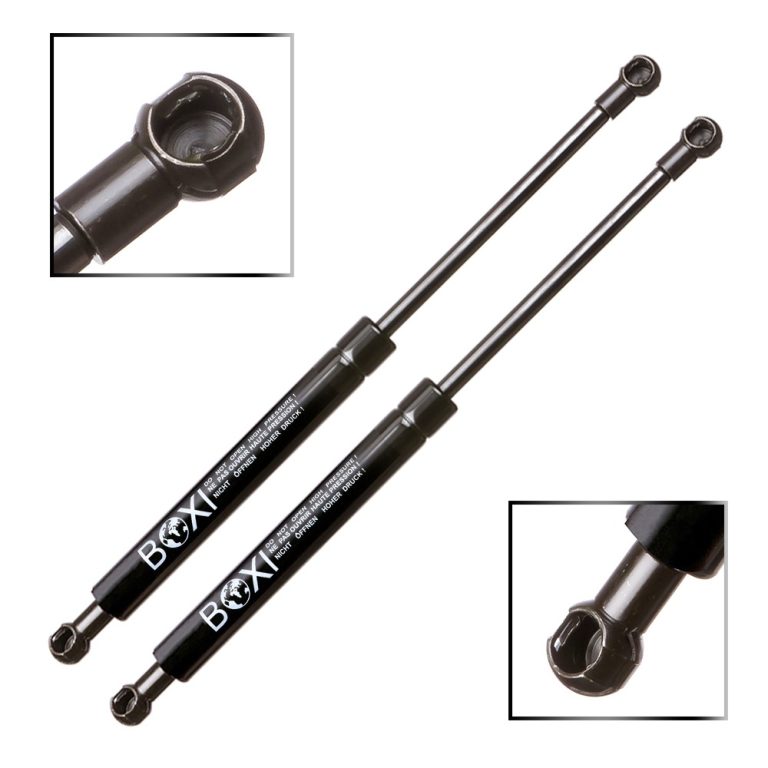
Chevy Silverado & GMC Sierra (1999–2013) with the V8s: These run two belts — the main serpentine and a little separate one just for the AC compressor. That AC belt tensioner pulley is a known failure point. Makes a chirping sound people swear is a lifter tick or a water pump going south. Replace both the main and AC tensioners together. I use the BOXI brand assemblies on these, never had a comeback.
Toyota Camry (2002–2009) with the 2.4L: The tensioner on these uses a hydraulic damper, not just a spring. When that damper leaks its oil out, the tensioner loses its guts and you get a loud rattling or clattering at idle, especially in gear. The belt might look fine and the pulley might spin quiet, but that tensioner is dead.
Ford F-150 (2011–2017) 3.5L EcoBoost and 5.0L: If you tow with these, the idlers and tensioner wear faster than you’d think. Classic symptom is a squeal when you get on the gas and the alternator is charging hard. Pop the hood on a hot day and spin the pulleys — I bet you find one that’s dry.
Here’s the bottom line. Don’t throw a belt at a tensioner problem, and don’t throw a tensioner at a belt problem. Diagnose it. The water spray test and the hand-spin test together will tell you everything you need to know in about ten minutes. And if the tensioner arm is bouncing, don’t kid yourself — swap it before it shreds your belt on the highway. That’s a tow truck call waiting to happen.