Bad Fan Clutch Symptoms and How to Test One
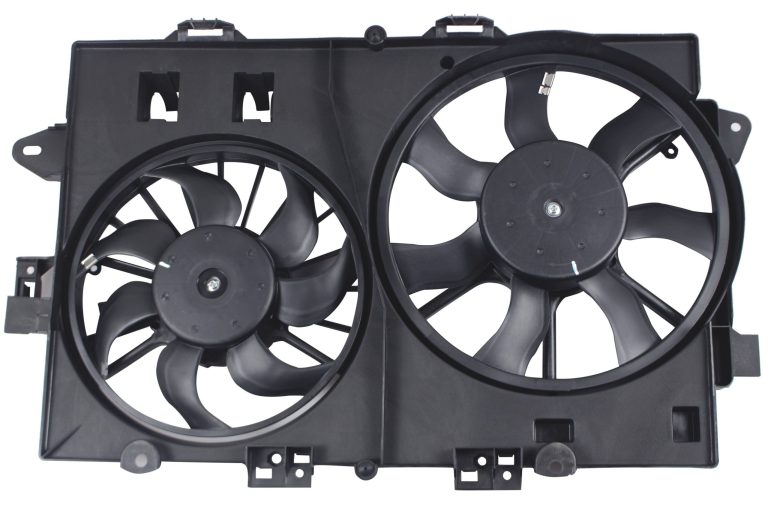
Many trucks and SUVs, and some older cars, cool the radiator with a belt-driven fan on the front of the engine. The fan clutch between the fan and its pulley decides how hard that fan pulls air, and most bad fan clutch symptoms trace back to it slipping or locking up. A slipping clutch lets the engine run hot at idle and while towing. A locked one makes the fan roar all the time. You can test most fan clutches with the engine off and a pair of gloves. If your vehicle has electric fans behind the radiator, see overheating in traffic but fine on the highway instead.
Quick answer
- Common bad fan clutch symptoms: overheating at idle, in traffic, or when towing; A/C that blows warm at idle; a fan roar that never goes away, or never shows up; a wobbling fan; oily residue on the clutch.
- Test with the engine off: spin the fan by hand cold, then again after a full warm-up. A working clutch has more drag hot than cold.
- Rock the fan blade to check for bearing play, and look for fluid leaks.
- With the engine fully warm, listen from a safe distance. No roar while the gauge climbs means the clutch is slipping. A roar that never stops means it is stuck engaged.
- Never touch or reach near the fan with the engine running.
What a fan clutch does
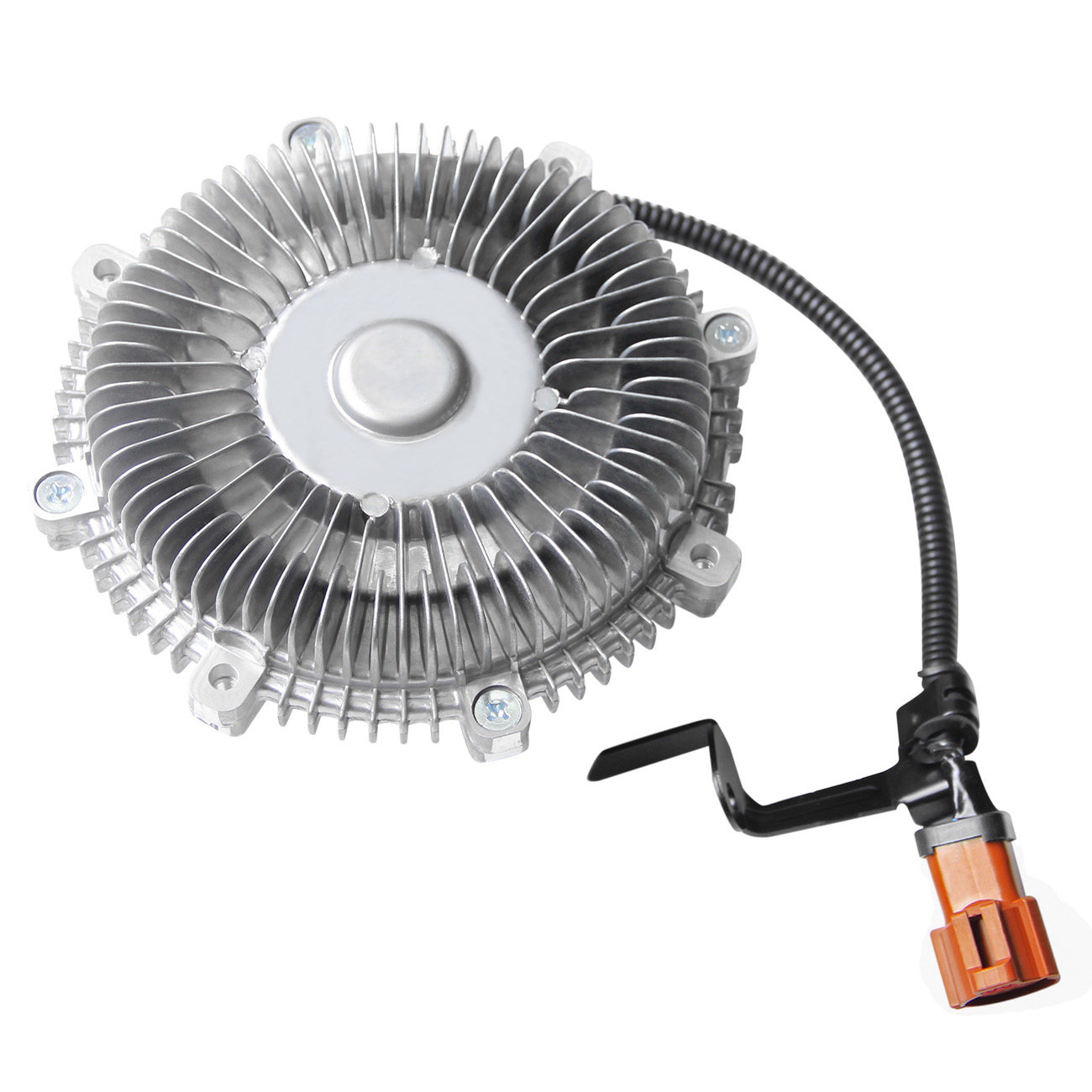
A viscous fan clutch is a sealed coupling filled with silicone fluid. The back half is driven by the water pump pulley or a fan drive pulley, and the fan blade bolts to the front half. A bimetal coil or strip on the front of the clutch senses the temperature of the air coming through the radiator. When that air is cool, most of the fluid stays in a reservoir and the fan slips, turning slower than the pulley. That saves power and keeps the noise down. As the air gets hot, the coil opens a valve, fluid fills the working chamber, and the fan locks up closer to pulley speed to pull more air through the radiator.
A thermal clutch has the coil or strip on the front and no wiring. An electric (electronically controlled) fan clutch has a wiring harness, and the engine computer decides how much to engage it, usually reading fan speed from a sensor in the clutch.
The clutch matters most at low road speed. At highway speed, air rams through the grille and the fan adds little, so a bad clutch usually shows up at idle, in traffic, or under load.
Bad fan clutch symptoms
Clutch slipping (not engaging)
- The engine runs hot at idle, in stop-and-go traffic, or while towing or climbing, and cools down at highway speed
- The A/C blows warm at idle and cold once you are moving
- No fan roar after a hot idle, even while the temperature gauge climbs
- The fan spins freely by hand with little or no drag, hot or cold
Clutch stuck engaged
- A loud fan roar all the time, including at highway speed and after the engine is warm
- The fan is hard to turn by hand even when the engine is cold
- Fuel economy drops
A short roar on a cold start that fades as the engine warms up is normal on many trucks. While the truck sits, fluid settles into the working chamber, and it takes a little while to move back to the reservoir.
Mechanical failure
- The fan wobbles, clunks, or has play when you rock the blade tip
- A gritty or rough feel when you turn the fan slowly by hand
- Oily streaks on the clutch body, or fluid flung onto the shroud or the underside of the hood
Safety before you test
- Do every hands-on test with the engine off and the key out of the ignition, and wait until the fan has stopped completely.
- Never reach near a spinning belt-driven fan. Skip the old trick of pushing a rolled-up newspaper into a running fan: the fan can grab it, throw pieces, or pull your hand in.
- Let the engine cool before you touch the radiator, hoses, or reservoir. For the hot spin test, wear gloves and keep your arm clear of the radiator and upper hose.
- Some trucks also have an electric fan, which can start with the key off. Unplug it or disconnect the negative battery cable before your hands go near it.
- For the listening test, stand clear of the front of the engine and keep hair, sleeves, and tools away from the belt and fan.
Test 1: cold spin test (engine off)
With the engine cold and off, put on gloves and give the fan a firm spin by hand. A healthy viscous clutch turns with some drag even when cold and stops after a short coast. A fan that spins freely and keeps going for several turns after a light push, or has no drag at all, suggests the clutch has lost fluid. A fan you can hardly turn by hand when cold may be locked up. Turn it slowly too: a gritty, notchy, or rough feel points to a worn clutch bearing.
Test 2: hot spin test (engine off)
Bring the engine to full operating temperature. A drive followed by a few minutes of idling with the A/C on works well, because it heats the air passing through the radiator. Shut the engine off, take the key out, and wait until the fan stops on its own. Then, with gloves on and your arm clear of the radiator and hoses, try to turn the fan. A working clutch should feel clearly stiffer than it did in the cold test. If it turns just as easily as it did cold, the clutch is not engaging.
On an electric fan clutch, engagement depends on the engine computer, so the spin tests tell you less. Use a scan tool that shows commanded and actual fan speed, check for fan clutch codes, and inspect the clutch connector and harness.
Test 3: wobble and leak check
With the engine off and cold, grab the fan near the tip of a blade and rock it gently toward and away from the radiator. A clunk or visible play means the clutch bearing is worn. On many trucks the clutch mounts on the water pump shaft or hub, so check the pump too. Remove the belt (our belt and tensioner post shows how to release the tensioner), then rock the pump pulley. Play in the pulley, or coolant at the pump’s weep hole, means the water pump needs attention as well. Finally, look for oily residue around the clutch seal and the front coil, and check the shroud and hood liner for spray.
Test 4: listen after warm-up
Park outdoors, set the parking brake, and stand clear of the front of the engine. Let the truck idle until it reaches full temperature, with the A/C on if it is a warm day. When the clutch engages you should hear the fan get much louder, a rushing roar, and the temperature gauge should hold steady or drop. The roar fades later as the air through the radiator cools.
- If the gauge climbs and you hear no roar, the clutch is slipping.
- If the fan roars all the time, even after a highway drive, the clutch is stuck engaged.
- If the fan roars and the clutch passes the spin tests but the engine still runs hot, check the coolant level, the thermostat, the radiator, and the shroud. Our thermostat housing failure post covers the thermostat and leak checks.
A missing or broken fan shroud also cuts airflow at idle, so make sure it is in place before you buy a clutch.
Replacing a fan clutch
Replacement is a driveway job on most trucks, but it often needs special tools. Many designs use a large nut that threads onto the water pump shaft, and on many applications that nut is reverse-threaded. Check your service manual for thread direction and tools before you put a wrench on it. A fan clutch wrench set (a thin wrench for the nut plus a holder for the pulley) is the usual tool, and many parts stores loan or rent them. Other designs bolt the clutch to the pulley flange.
- Work on a cold engine with the key out. Disconnect the negative battery cable if the truck has an electric fan clutch or an electric auxiliary fan.
- Unbolt the fan shroud and move it back toward the engine, or remove it, to make room. On some trucks the shroud and fan come out together.
- Hold the pulley, break the clutch nut or bolts loose, and lift the fan and clutch out as one unit.
- On the bench, unbolt the fan blade from the old clutch and move it to the new one. Note which side of the blade faces the radiator and install it the same way.
- Install the clutch and fan, then tighten the nut or bolts to the torque in your service manual. Reinstall the shroud, and on an electric clutch, the harness.
- Turn the fan by hand to check blade clearance to the shroud, then start the engine and confirm the fan engages after warm-up.
Store a viscous clutch upright, the way it sits on the engine, and follow any handling instructions in the box. The clutch often rides on the water pump, so replace a pump that weeps coolant or has bearing play in the same job. A worn pump bearing shakes the new clutch.
How to pick on Tetron
- Start with year, make, model, and engine. Fan clutches are engine specific, and the gas and diesel engines in the same truck usually take different clutches.
- Check whether you need a thermal or an electric clutch. An electric clutch has a wiring connector, and the spec table lists the type.
- Match the rotation direction in the spec table to your old clutch.
- Match the OE or interchange number on your old clutch, and verify fitment before checkout.
Stock changes, so confirm it on the listing, and check each clutch below against your year, engine, and OE number before you order.
Ford trucks and SUVs
- Fan clutch, 2007-2008 Ford Expedition, F-150 4.6L/5.4L, Lincoln Mark LT, Navigator (3264 / 7L1Z-8A616-A): SKU BX01500015-1. The spec table lists this clutch as electric type. The vehicle table also shows F-250 and Lobo entries that the written fitment does not mention, so compare part numbers before ordering.
- Fan clutch, 1999-2003 Ford F-250 to F-550 Super Duty and 2000-2003 Excursion, 7.3L turbo diesel (F81Z-8A616-DA / 2837): SKU BX01500004-1. This is a thermal clutch for the 7.3L diesel only. Verify year and engine before ordering.
Dodge Ram and Jeep
- Fan clutch, Dodge Ram 1500/2500/3500 2000-2002 5.9L V8, Jeep Grand Cherokee 1999-2004, Liberty 2002-2008 (52028944AB / 55116813AA): SKU BX01500011-1. This is a thermal clutch, and the engine matters: the listing covers the Grand Cherokee 4.0L (1999-2004) and 4.7L (1999-2000 only) and the Liberty 3.7L. Verify engine and OE number.
- Electric fan clutch, Dodge Ram 2500/3500 Cummins diesel 2004-2009 and Ram 4500/5500 2008-2010 (55056990AC / 52028879AF / 3282): SKU BX01500018-1. The listing gives different year ranges for the 5.9L and 6.7L on each model (for example, the Ram 3500 5.9L runs through 2007). Verify year and engine.
- Electric fan clutch, Ram 2500/3500 6.7L Cummins 2010-2013 and Ram 4000/4500/5500 2011-2013 (68155609AB / 3291): SKU BX01500019-1. Verify year and engine against the listing.
To browse every clutch by vehicle, open the Cooling Fan Clutch category.
FAQ
What are the symptoms of a bad fan clutch?
Overheating at idle or when towing, A/C that blows warm at idle, a fan that roars all the time or never roars, a wobbling fan, and oily residue on the clutch.
How do I test a fan clutch?
With the engine off, spin the fan by hand cold, then again after a full warm-up. It should feel stiffer hot. Also check for wobble and leaks.
Should a fan clutch spin freely by hand?
No. It should turn with some drag when cold and more drag when hot. A fan that freewheels with no resistance is slipping.
Is it normal for the fan to roar on a cold start?
Briefly, yes. The roar should fade as the engine warms up. A roar that never fades points to a clutch stuck engaged.
Can a bad fan clutch cause overheating?
Yes, mostly at idle, in traffic, or when towing, because that is when the engine depends on the fan.
Is the fan clutch nut reverse thread?
On many applications it is. Check your service manual for thread direction and tools before you turn it.
Should I replace the water pump with the fan clutch?
If the pump weeps coolant or its pulley has play, yes. A worn pump bearing can shake a new clutch.
Can I convert to an electric fan instead?
Conversions exist, but the fan, wiring, and controls have to be sized for your engine and any towing. A factory-style clutch is the simpler repair for most owners.
Fan clutch parts and related guides
If the tests show the clutch has failed, match the engine, type, and rotation in Cooling Fan Clutch and verify fitment on the listing before you order. On vehicles with electric radiator fans, a fan that never comes on is covered in overheating in traffic but fine on the highway, and a fan that keeps running after you turn the engine off is covered in radiator fan won’t shut off.